Hybrid, Grid-tie, or Off-grid: Which Inverter Does Your Home Need?
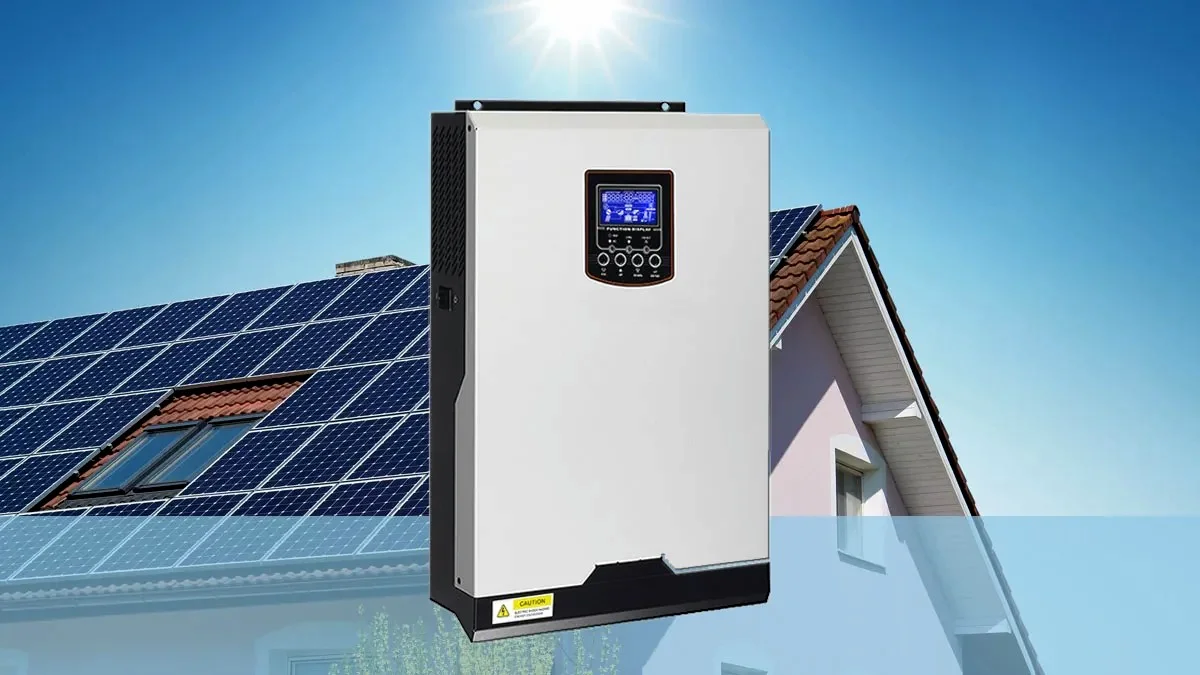
Choosing an inverter is the most critical step in designing a solar power system. While panels generate energy, the inverter decides where to send it: to your appliances, into the batteries, or back to the grid.
In the context of the Ukrainian energy crisis, understanding the difference between inverter types is vital to ensure you don’t end up with “useless” panels during a power outage.
1. Grid-Tie Inverters (On-Grid)
This is the classic solution for energy savings and Feed-in Tariffs. They convert solar energy and feed it into your home or the public grid.
- The Main Downside: If the grid fails (blackout), a grid-tie inverter shuts down automatically for safety reasons. Even in bright sunshine, you will be without power.
- Best for: Businesses operating primarily during the day or those looking strictly for bill reduction without needing backup power.
2. Off-Grid Inverters
These work exclusively with batteries and cannot feed energy back into the grid.
- Pros: Total independence from utility companies.
- Cons: Once the batteries are full, any extra solar energy is wasted as it cannot be exported.
- Best for: Locations with no grid access at all (remote cabins, isolated farms).
3. Hybrid Inverters — The Best Choice for Ukraine
A hybrid inverter is a versatile device that combines the benefits of both previous types. A hybrid system can:
- Power your home directly from the sun.
- Charge battery banks.
- Export excess energy to the grid (selling via Net Billing).
- Act as a UPS: When the grid fails, it instantly (within 10ms) switches the house to battery power.
What should you look for when choosing?
Power Rating: For a residential house, 5–8 kW (single-phase) or 10–15 kW (three-phase) models are common. Ensure the inverter’s power rating matches your peak loads (e.g., running a water pump, kettle, and washing machine simultaneously).
MPPT Trackers: If your panels are installed on different roof sections (e.g., East and West), you need an inverter with at least two MPPT inputs to optimize energy harvest from both sides.
Battery Compatibility: Modern inverters perform best with Lithium Iron Phosphate (LiFePO4) batteries using a communication protocol (CAN/RS485). This allows the inverter to “see” the exact state of every battery cell.
At Q-Sun, we provide proven hybrid solutions adapted to the unstable conditions of the Ukrainian power grid. Visit our offices in Odesa or Lviv to see these systems in action.